


12 Jun Do I Need Permits for a Patio?
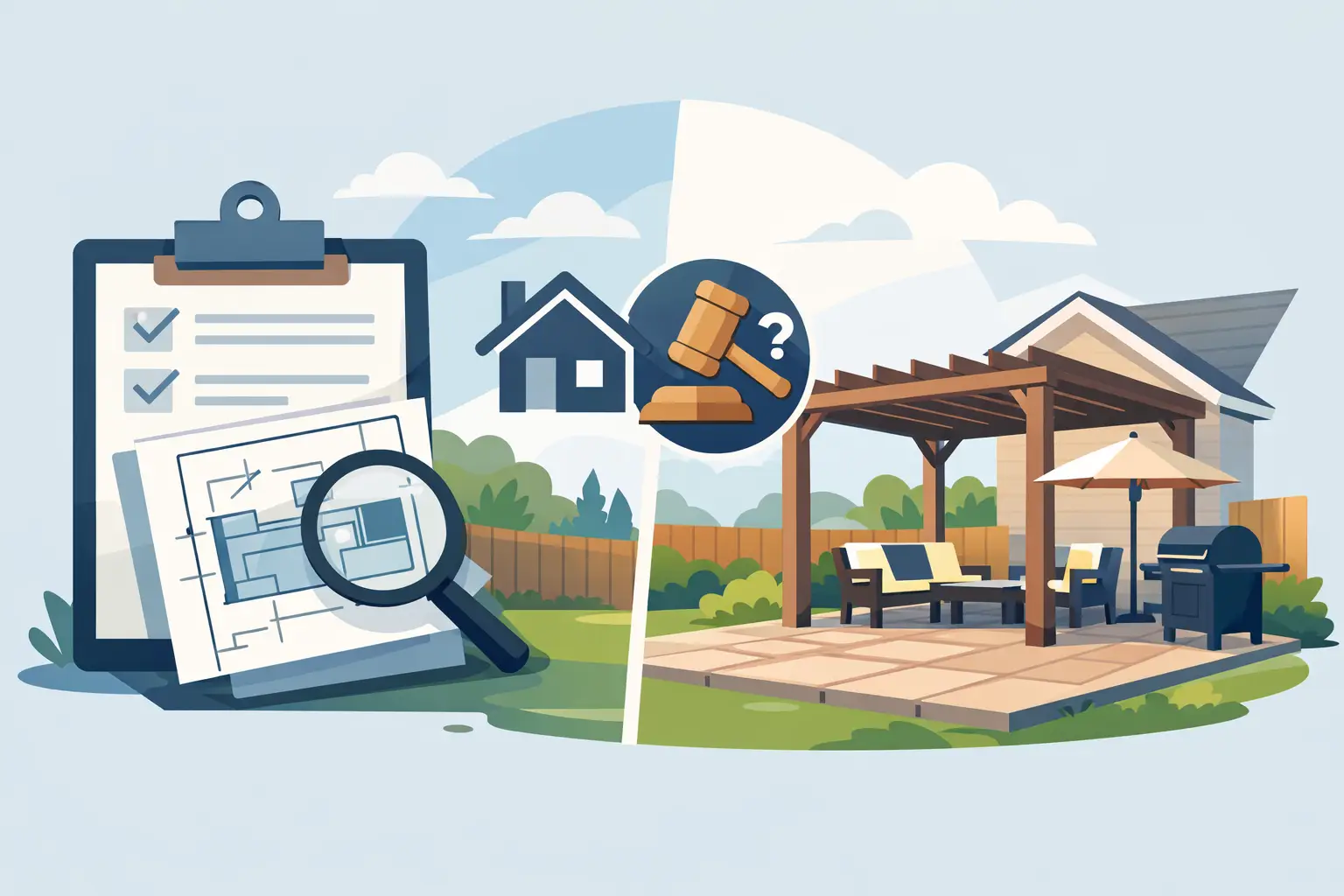
A patio project usually starts with a simple goal – create a better place to relax, entertain, and extend the way you live outdoors. Then the practical question shows up fast: do I need permits for a patio? The honest answer is that sometimes you do, sometimes you do not, and the difference usually comes down to how the patio is built, where it sits on the property, and what else is included in the plan.
For homeowners investing in a custom outdoor space, this matters early. Permit issues can affect design choices, construction timelines, budget, drainage planning, and even whether the finished work creates problems when you sell the home later. A well-built patio should feel effortless once it is complete, but getting there takes careful attention to what the municipality requires before the first shovel hits the ground.
Do I need permits for a patio or not?
In many areas, a basic ground-level patio made of pavers, natural stone, or concrete may not require a building permit on its own. That is often the case when the patio is not covered, does not include structural elements, and does not change drainage patterns in a way that affects neighboring properties or municipal systems.
That said, homeowners often assume patio means simple, when the actual project is more complex. A patio can trigger permit requirements if it is part of a larger outdoor living installation. Once you add a roof structure, a pergola with footings, retaining walls, an outdoor kitchen, gas lines, electrical work, significant grading, or drainage changes, the conversation changes. At that point, the permit question is no longer about the patio surface alone. It becomes about the full scope of construction.
This is why experienced planning matters. Premium outdoor spaces are rarely just a slab or a field of pavers. They are integrated environments designed to look refined, function beautifully, and hold up over time.
What usually determines whether a permit is required
The first factor is structure. A patio that sits directly on grade is often treated differently than a raised platform, covered area, or feature supported by footings. Structural additions tend to attract stricter review because they affect safety, stability, and code compliance.
The second factor is drainage and grading. Even if the patio itself seems straightforward, changing how water moves across your yard can be a real concern. Municipalities care about runoff because poor drainage can damage foundations, create standing water, or impact adjacent properties. A high-quality installation should always account for slope, base preparation, and water management, whether or not a permit is formally required.
The third factor is zoning. Local rules may regulate setbacks, lot coverage, easements, and proximity to property lines. You may be allowed to build a patio, but not in the exact location you had in mind. This is especially common on properties with tighter rear yards, corner lots, conservation considerations, or previous additions that already use a large portion of the permitted lot area.
The fourth factor is what is attached to the patio project. Lighting, built-in appliances, fire features, plumbing, and gas connections often involve additional approvals or licensed trades. Homeowners sometimes think of these as finishing touches, but from a code perspective they can be the very things that trigger permits and inspections.
Common patio scenarios and how permit rules can change
A simple paver patio at ground level is often the least complicated scenario. If it stays within zoning requirements and does not involve significant grading or mechanical work, it may move forward without a building permit in many jurisdictions.
A covered patio is different. The moment a roof or permanent overhead structure is introduced, the municipality may view it as a structural addition. Footings, snow loads, attachment details, and height restrictions can all come into play.
A patio with retaining walls can also become more regulated, particularly if wall height exceeds local thresholds. Retaining walls are not just decorative. They hold back soil, influence drainage, and can create safety concerns if built incorrectly.
A patio tied to an outdoor kitchen or fireplace usually deserves closer review as well. Gas lines, electrical circuits, venting, and clearances all need to be considered carefully. These elements elevate the space, but they also raise the level of technical coordination required.
Why local codes matter more than general advice
The biggest mistake homeowners make is looking for a universal answer. There is none. Permit requirements are local, and they can vary significantly from one municipality to the next. What is acceptable in one town may require approvals in another, even for a nearly identical project.
That is why broad online advice only gets you so far. It can help you understand the issues, but it cannot replace checking the actual rules that apply to your property. Local zoning bylaws, building departments, conservation authorities, and utility considerations can all influence the answer.
For homeowners who value a finished result that feels considered and complete, this stage should not be treated as paperwork on the side. It is part of the design-and-build process. The right plan is not only attractive. It is buildable, compliant, and aligned with how the property functions as a whole.
Do I need permits for a patio if I am replacing an old one?
Sometimes no, but not automatically. Replacing an existing patio with the same footprint and similar materials may be treated more simply than building a brand-new outdoor living area. Still, replacement projects can trigger review if you expand the size, alter grading, add structural features, or update the space with utilities and built-ins.
Older patios also raise another issue: what was done years ago may not meet current standards. If a property has settled, drainage has become a problem, or previous work was completed without approvals, rebuilding is an opportunity to correct those conditions properly rather than just covering them up.
In practice, replacement projects often benefit from fresh evaluation. What looks like a cosmetic upgrade on the surface may be the perfect moment to improve layout, fix water flow, and create a more functional connection between the house and the yard.
The cost of getting it wrong
Skipping permit research can create expensive problems. At the mild end, you may face delays while plans are revised or approvals are obtained mid-project. At the more serious end, you may be required to remove work, reconstruct parts of the installation, or address drainage and setback violations after the fact.
There is also the quality issue. Work completed without proper planning often shows its weaknesses over time. Poor base preparation, improper slope, and uncoordinated utility work do not just risk code trouble. They compromise the longevity and performance of the patio itself.
For homeowners making a meaningful investment in their property, the goal is not simply to get the project done. It is to get it done once, and done well.
How to approach a patio project the right way
Start by defining the full scope, not just the surface material. If the vision includes shade structures, lighting, cooking areas, seat walls, drainage improvements, or integrated landscaping, those pieces should be considered from the beginning. Permit requirements often emerge from the combined design, not a single feature in isolation.
Next, verify local zoning and building requirements before construction begins. That includes setbacks, lot coverage, grading limitations, and any approvals needed for electrical, gas, or structural elements. If your property has unusual conditions, such as slope, drainage concerns, or limited space, that review becomes even more important.
Then choose a professional team that understands both design and execution. A custom patio should not feel like a patchwork of separate decisions. It should be planned as part of a complete outdoor environment, with craftsmanship, function, and compliance working together. That is where experienced design-build guidance can save time and protect the investment.
At Redleaf Landscape Inc, that kind of attention to detail is part of what turns an outdoor concept into a finished space that feels natural, polished, and built to last.
A permit is not the exciting part of a patio project, but it is often what separates a smooth build from a frustrating one. If you are asking do I need permits for a patio, you are asking the right question at the right time. The best outdoor spaces begin with a strong plan, and strong plans respect both the vision and the rules that shape how it comes to life.