


15 Aug Landscape Design Trends 2026 for GTA Homes
A backyard that looks impressive for one season is no longer the benchmark. For discerning homeowners, landscape design trends 2026 are moving toward outdoor spaces that perform as beautifully as they photograph: places for quiet mornings, family dinners, polished entertaining, and year-round enjoyment. The strongest designs feel intentional from the first step off the patio to the furthest edge of the property.
For GTA properties, that means balancing architectural character, changing weather, site conditions, and the way a household actually lives. The result is not a collection of fashionable features. It is a custom outdoor environment with lasting presence, practical comfort, and details that hold up over time.
Landscape Design Trends 2026 Put Function First
The defining trend is a shift away from single-purpose yards. Homeowners are asking more of their properties, and landscape design is responding with distinct outdoor zones that still read as one cohesive composition.
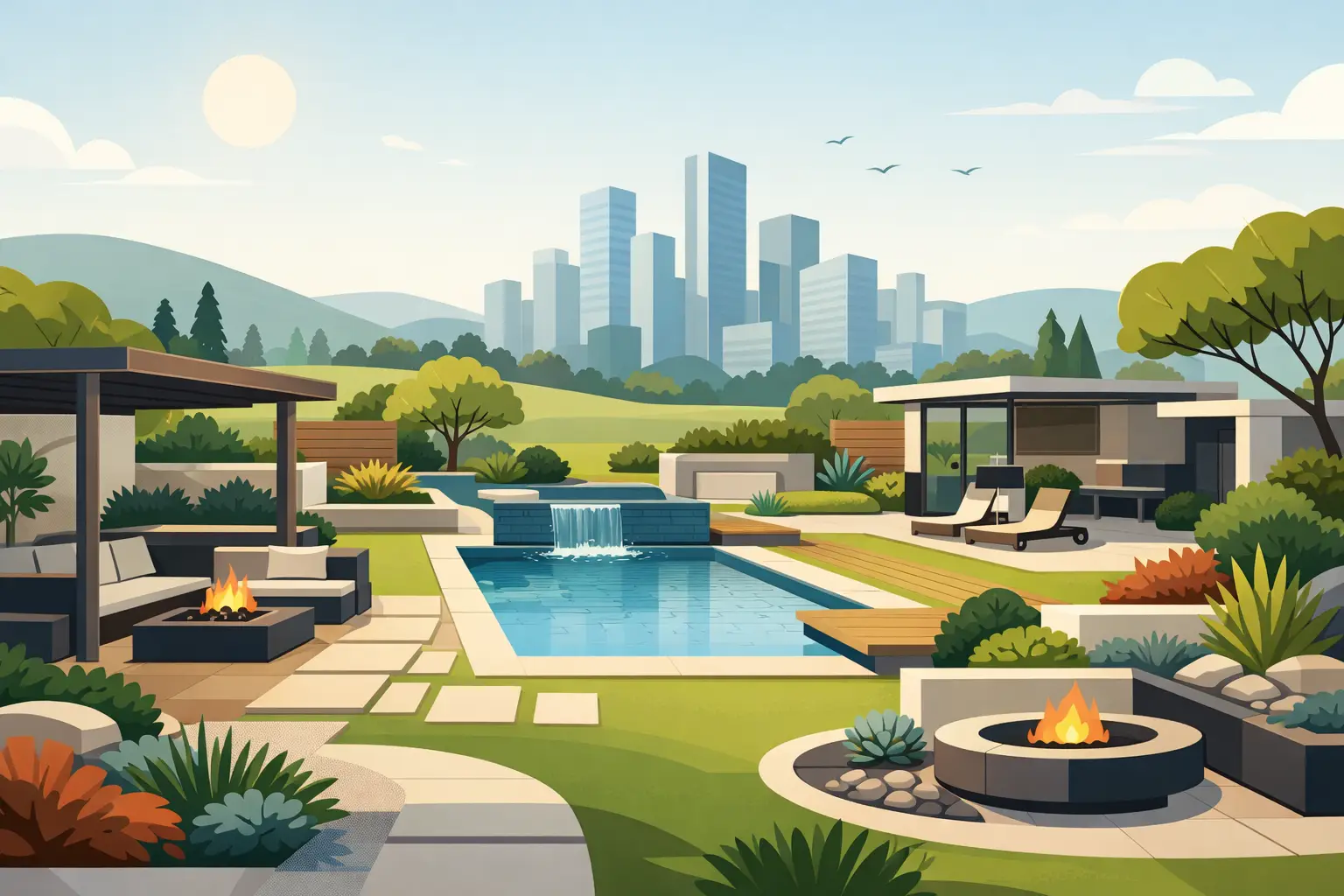
A well-planned backyard may include a dining terrace close to the kitchen, a lounge area centered on a fire feature, a quieter garden retreat, and open lawn where children or pets can move freely. These spaces do not need to be large to be effective. Their success depends on circulation, proportion, privacy, and the transitions between them.
This approach is especially valuable on urban and suburban GTA lots, where every square foot needs a reason to exist. A path can guide guests toward a seating area while framing a planting bed. A low retaining wall can resolve a grade change and create additional seating. A pergola can establish a sense of enclosure without closing off the yard. When every element serves both a visual and functional role, the landscape feels generous rather than crowded.
Outdoor Rooms With a Stronger Connection to the Home
The best outdoor rooms are designed as an extension of the home, not an afterthought at the edge of it. Material selection often carries cues from the architecture outside, whether that means warm-toned natural stone, clean porcelain pavers, wood accents, or structured planting that echoes the lines of the house.
This does not require matching every finish exactly. In fact, too much matching can feel forced. The goal is harmony. A contemporary home may benefit from large-format pavers, restrained plant palettes, and crisp steel or aluminum detailing. A more traditional property may call for natural stone, layered evergreens, and softer garden edges. The right choice depends on the home, the property, and the atmosphere the owners want to create.
Refined Hardscaping Takes Center Stage
Hardscaping remains central to premium landscape design because it defines how an outdoor space is used. In 2026, the emphasis is on fewer, better materials installed with exceptional care. Homeowners are choosing durable surfaces and custom-built features that provide a strong foundation for the entire landscape.
Large-format pavers and porcelain are popular for their clean appearance and ease of maintenance, particularly around pools, patios, and modern homes. Natural stone continues to deliver unmatched variation and character, making it a compelling choice for properties that call for a more timeless, organic finish. Concrete can be equally effective when its finish, joints, drainage, and surrounding materials are handled thoughtfully.
The material itself is only part of the result. Proper base preparation, grading, edging, and drainage determine whether a patio remains level and attractive through repeated freeze-thaw cycles. Premium work is often recognized in the details that are easy to overlook: precise cuts, aligned joints, stable steps, and transitions that feel natural underfoot.
Fire, Water, and Shade Used With Restraint
Feature elements are becoming more architectural and less ornamental. A fire feature may anchor a lounge area and extend the use of the yard into cooler months. A water element can soften urban noise and introduce movement near an entry or garden seating area. Shade structures create relief during summer while giving an outdoor room a clear identity.
Each feature needs a purpose. An oversized fireplace can overwhelm a compact yard, while a decorative water feature without proper placement may create more maintenance than enjoyment. The most successful projects use these elements selectively, giving them enough space to make an impact without competing with the landscape itself.
Planting Is More Layered, Resilient, and Personal
Lush planting is returning, but in a more disciplined form. Rather than relying on broad areas of one plant or seasonal color alone, 2026 gardens are built in layers. Trees establish structure and shade. Evergreen material provides winter presence. Shrubs, grasses, perennials, and groundcovers introduce texture, movement, and changing color across the growing season.
For homeowners, this creates a landscape that looks composed in April, August, and January, not just at peak summer. It also gives the property more depth from both inside and outside the home. Views from kitchen windows, principal bedrooms, and living areas deserve as much attention as the view from the patio.
Native and climate-adapted plants are increasingly part of this conversation. They can support pollinators, handle local conditions well, and reduce the demand for supplemental water once established. Still, native planting is not a one-size-fits-all answer. Soil, sun exposure, drainage, deer pressure, desired maintenance level, and the desired look all matter. A tailored plant plan is more valuable than following a rigid formula.
Privacy Planting With Year-Round Structure
Privacy remains a priority across the GTA, particularly where neighboring homes are close together. The current approach is more nuanced than simply planting a straight line of tall cedars. Layered screening can combine evergreen structure with deciduous shrubs, small ornamental trees, fencing, and changes in elevation to create privacy that feels natural and visually rich.
This strategy also protects the landscape from feeling flat. It creates depth, filters views rather than abruptly blocking them, and gives gardens a more established character. Where space is limited, carefully selected upright evergreens or espaliered material may provide screening without taking over a narrow side yard.
Low-Maintenance Does Not Mean Minimal Design
Many busy homeowners want a landscape that is easier to care for, but low maintenance is frequently misunderstood as sparse planting and empty hardscape. A low-maintenance property can still be generous, textured, and full of life. It simply needs to be designed with realistic upkeep in mind.
That may mean using reliable plant varieties suited to the site, limiting fussy seasonal displays, establishing clear bed edges, and providing the right irrigation where it is truly needed. It can also mean selecting outdoor finishes that age gracefully rather than requiring constant attention to retain their appearance.
Automation will continue to have a place in premium outdoor living, from irrigation controls to discreet landscape lighting. Yet technology should support the experience, not dominate it. Lighting is most effective when it guides movement, highlights texture, and makes steps and gathering areas safer after dark. The goal is a warm, composed atmosphere, not a yard that is bright from every angle.
Front Yards Become a More Deliberate First Impression
Backyards may receive the most attention, but front landscapes are gaining importance as homeowners invest in curb appeal and a stronger sense of arrival. In 2026, expect to see more intentional entry walks, layered foundation planting, statement trees, and lighting that gives the home presence after sunset.
A front yard should frame the architecture and make approaching the home feel effortless. It also needs to function in practical terms, especially on properties with snow, limited parking, or heavily used walkways. The most compelling front landscapes are polished without appearing overdesigned. They feel established, welcoming, and appropriate to the home.
For commercial properties, the same principle applies. A clean entry sequence, durable planting, clear pedestrian routes, and well-considered seasonal interest communicate care before anyone walks through the door.
Design for the Way You Want to Live Outside
Trends can offer useful direction, but a lasting landscape should never feel borrowed from someone else’s property. The right design begins with better questions: How do you entertain? Where do you want shade? What views need to be improved? How much maintenance fits your schedule? Which parts of the property currently go unused?
A thoughtful design-and-build process turns those answers into a plan that considers grading, drainage, materials, planting, lighting, and installation as one coordinated whole. That is where craftsmanship becomes visible: not only in the finished patio or garden bed, but in the way the entire property works together.
The most valuable trend for 2026 is simple: invest in an outdoor space that reflects your home, supports your lifestyle, and becomes more rewarding with every season.