


05 May A Guide to Outdoor Living Features
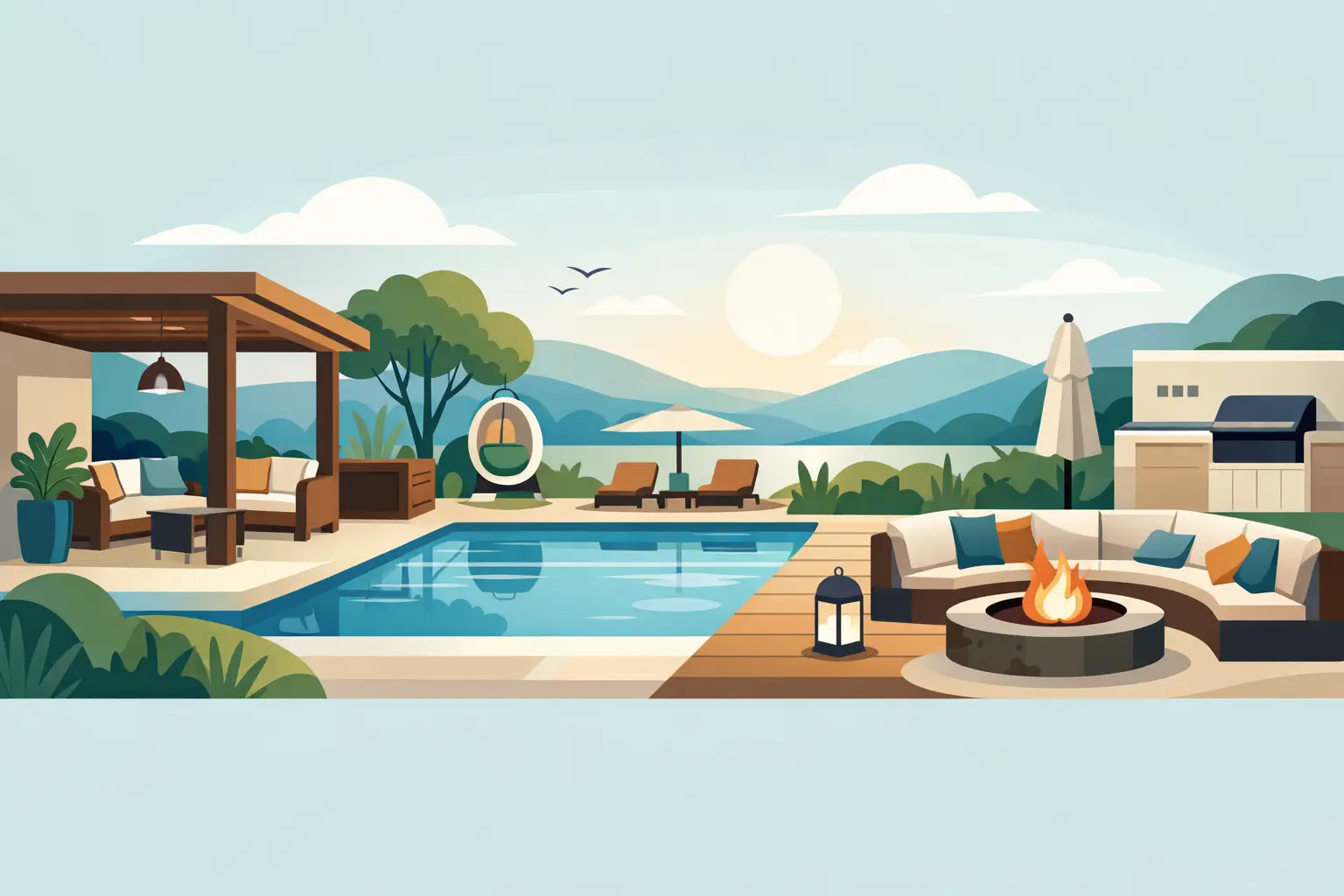
A beautiful backyard can still fall short if it does not support the way you actually live. The best guide to outdoor living features starts there – not with trends, but with how you want the space to feel, function, and perform over time. A well-designed outdoor environment should look refined, work hard, and hold up through real use, real weather, and real seasons.
For some homeowners, that means a quiet place to unwind at the end of the day. For others, it means a complete entertaining space with cooking, dining, and room for guests to gather comfortably. The right features do more than fill a yard. They create structure, improve flow, and turn outdoor square footage into a true extension of the home.
What makes outdoor living features worth the investment
Outdoor upgrades are often judged by their visual impact first, but appearance is only part of the value. The stronger return comes from usability. A property with purposeful outdoor living areas feels larger, more finished, and easier to enjoy. It can also improve curb appeal, support resale value, and reduce the sense that your yard is just open space waiting for attention.
That said, more features do not automatically mean a better result. A fireplace that crowds a patio, an oversized kitchen with no prep space, or lighting that looks dramatic but leaves walkways too dark can make a project feel disjointed. Good design is about fit. Each element should belong to the overall plan and serve a clear purpose.
A guide to outdoor living features that shape the space
The foundation of most outdoor living projects is the hardscape layout. Patios, terraces, walkways, and transitions define how people move through the property. Without that structure, even premium features can feel scattered.
Patios and seating areas
A patio is usually the anchor. Size matters, but proportion matters more. A patio should be large enough for furniture, circulation, and breathing room around each zone. If a dining table fits only when chairs are tucked in, the space will feel tight in use. If the patio is oversized with no clear zones, it may feel empty rather than expansive.
Material choice affects both appearance and maintenance. Natural stone offers character and a high-end finish, while pavers can provide strong design flexibility and reliable performance. The right choice depends on architecture, expected traffic, and the level of upkeep you are comfortable with.
Outdoor kitchens and dining zones
An outdoor kitchen can transform how a backyard is used, especially for homeowners who entertain often. At its best, it reduces trips in and out of the house and keeps the host part of the conversation. At its worst, it becomes an expensive grill island with limited function.
The difference is planning. A working kitchen needs sensible adjacency between grilling, prep, serving, and dining. Utilities, storage, countertop space, and wind exposure all matter. If the kitchen is fully exposed with no shade and no task lighting, it may see less use than expected. For some properties, a simpler built-in grill and prep counter make more sense than a full appliance package.
Fire features
Fire brings a strong focal point and extends the season. It also changes how people gather. A fire pit encourages a casual, social arrangement, while a fireplace creates a more architectural statement and can define an outdoor room.
The choice depends on the way you entertain and the amount of space available. Fire pits are more flexible for group seating, but they need generous clearance. Fireplaces offer stronger visual impact and can add privacy or wind protection, but they take up more footprint and often suit larger patios best.
The features that make a space comfortable
The most successful outdoor environments are rarely built around one headline feature. Comfort is what keeps people using the space week after week.
Shade structures
Sun exposure can make a beautiful patio unusable during peak hours. Shade is not a luxury detail. It is often what determines whether an outdoor area works in midsummer.
Pergolas, covered structures, and integrated roof systems each offer different benefits. A pergola can define space and add visual rhythm, but it may provide only partial relief unless paired with climbing plantings, retractable canopies, or slatted designs. A covered structure offers more complete protection and can support lighting, fans, and heating, though it requires more coordination with the home and overall architecture.
Lighting
Lighting is one of the most underestimated outdoor living features. It improves safety, highlights architecture and planting, and makes a property feel finished after dark. It should never be treated as an afterthought.
The best lighting plans layer function and atmosphere. Path lights help with navigation, step lights improve safety, and subtle accent lighting can bring depth to trees, walls, or water. Too much brightness can flatten the space and feel harsh. Too little leaves key areas underused. Balance is the goal.
Privacy and screening
Premium outdoor living often depends on a sense of enclosure. Even a well-built patio can feel exposed if neighboring sightlines are left unaddressed. Screening can come from fencing, strategic planting, vertical features, or a thoughtful combination of all three.
This is one area where patience matters. Plant material can create a softer, more natural boundary, but it takes time to fill in and needs proper placement for long-term success. Built structures provide immediate privacy, though they must be handled carefully to avoid making the yard feel closed off.
Function behind the finish
A polished result depends on what you do not always notice at first glance. Drainage, grading, base preparation, and material detailing have a direct impact on performance and longevity.
This is where many outdoor projects separate into two categories: those that look good at completion and those that continue to look good years later. Water management is especially critical. Without it, patios can settle, plantings can struggle, and usable spaces can become frustrating after heavy rain.
A true guide to outdoor living features has to include these technical considerations, because they shape the experience as much as the visible design does. Craftsmanship is not only about finish lines and clean edges. It is also about what supports the work beneath the surface.
Choosing features based on how you live
Not every property needs the same mix of elements. A family with young children may prioritize open lawn, durable surfaces, and flexible seating over a large formal dining zone. Busy professionals may want low-maintenance plantings, integrated lighting, and an outdoor kitchen that supports easy entertaining. A commercial property may place greater emphasis on appearance, circulation, and durability under heavier use.
There is also the question of seasonal expectations. In colder climates, extending use into spring and fall may justify fire features, covered areas, or built-in heating. If your yard gets strong afternoon sun, shade should move higher on the priority list. If privacy is limited, screening may matter more than adding another decorative element.
The strongest projects begin with honest priorities. What do you want to do outside, how often will you do it, and what would make the space feel complete rather than crowded?
Planning for cohesion, not feature stacking
It is easy to get drawn to individual ideas in isolation. A pavilion looks appealing. So does a fire pit, a water feature, a kitchen, and a built-in bar. But great outdoor design is not about collecting features. It is about composing them.
Scale, sightlines, material consistency, and circulation all need to work together. A property should feel intentional from every angle, with each area connected to the next. That is especially important when tying a new outdoor space back to the architecture of the home.
This is where an end-to-end design-and-build approach becomes valuable. When one experienced team guides the vision, technical planning, and installation, there is more control over the details that determine the finished result. For clients who want custom work without managing multiple moving parts, that clarity can be just as important as the features themselves.
Redleaf Landscape Inc has built its reputation on exactly that kind of thoughtful execution – creating outdoor environments that are refined, functional, and made to last.
Where to start with your outdoor living plan
Start with the areas that affect daily use most. If you already have a patio but avoid it because there is no shade, solve that problem first. If entertaining feels disorganized, focus on layout before adding premium appliances. If your property looks strong in daylight but disappears at night, lighting may offer the biggest improvement.
A well-planned outdoor space should feel effortless once it is complete, but getting there takes decisions about budget, priorities, and long-term use. The right features are the ones that support your lifestyle, respect the property, and add lasting value without forcing the design.
The best outdoor spaces do not try to do everything at once. They do the right things well, with purpose in every detail.