


08 Sep Choosing a Residential Landscape Contractor
A great yard rarely happens through a series of disconnected purchases. The patio, planting, lighting, drainage, and circulation all need to work together from the start. That is where a residential landscape contractor adds real value: turning a broad idea for outdoor living into a finished environment that is functional, cohesive, and built to last.
For homeowners, this is not simply about making a property look more polished. It is about creating a place for morning coffee, family dinners, entertaining, play, privacy, and quiet time outdoors. The right project can make an underused yard feel like a true extension of the home while strengthening curb appeal and long-term property value.
What a Residential Landscape Contractor Should Deliver
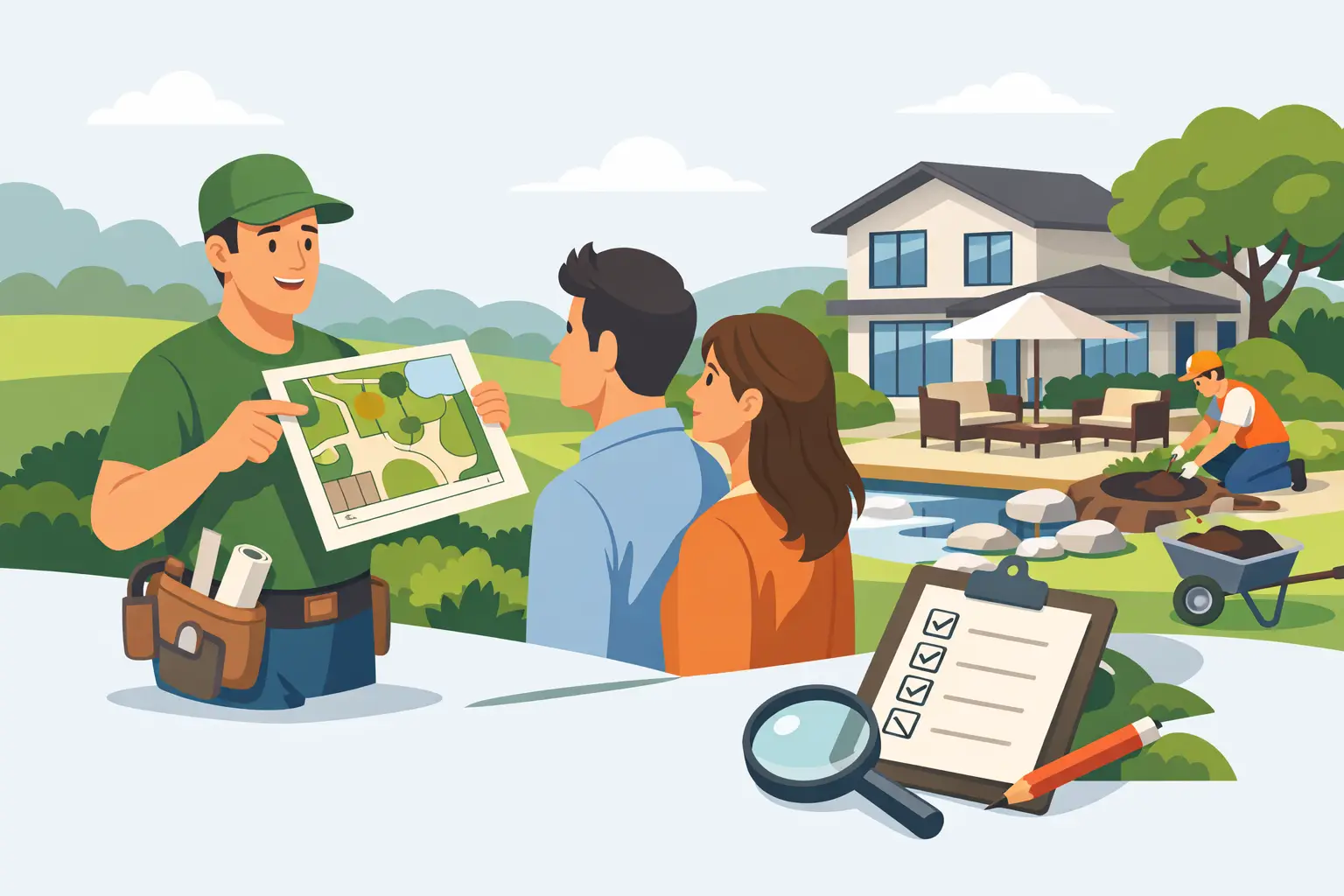
A full-service contractor does more than install plants or lay pavers. They guide the process from the first conversation through design, material selection, construction, and final detailing. That single point of accountability matters when a project includes several moving parts, such as grading, drainage, hardscape, planting, lighting, irrigation, and outdoor structures.
The strongest projects begin with questions. How does your household use the property now? Where does water collect after a storm? Which rooms look onto the yard? Do you need a generous entertaining area, a private retreat, safer access, or a more welcoming front entry? These details shape decisions that cannot be solved by choosing plants alone.
A contractor should translate those answers into a plan that makes sense visually and practically. A dining terrace should be sized for the way you host. Paths should lead naturally through the property. Planting should support privacy, seasonal interest, and maintenance expectations. Drainage should be addressed before beautiful finishes are installed, not after water begins pooling beside the house.
That level of coordination separates a custom outdoor environment from a collection of individual features. It also reduces the common frustration of hiring multiple trades, managing schedules, and discovering late in the process that one decision conflicts with another.
Design Before Construction Protects the Investment
It can be tempting to begin with the most visible request: a new patio, fresh sod, or a privacy screen. Yet the best result usually comes from stepping back and viewing the entire property as one composition. Design establishes the relationship between the home, the landscape, and the people who will use it.
A thoughtful plan considers proportion first. An oversized patio can consume the yard and leave little room for planting or movement. One that is too small may look attractive but fail the first time family and friends gather. The same principle applies to retaining walls, pools, pergolas, driveways, front walks, and garden beds. Each element should feel intentional rather than added as an afterthought.
Material selection is equally important. Natural stone, concrete pavers, porcelain tile, wood, and composite products each bring a different character, maintenance profile, price point, and performance expectation. There is no universally best choice. A refined backyard with mature plantings may call for one approach, while a contemporary home with clean architectural lines may call for another. The right material is the one that supports the design, withstands local conditions, and suits the way you want to maintain the space.
For properties across the Greater Toronto Area, seasonal change also deserves careful consideration. Freeze-thaw cycles, heavy rain, summer heat, and snow removal affect how surfaces, soils, and drainage systems perform. Quality construction accounts for what happens below grade as carefully as what is seen from the patio door.
Function Should Shape Every Detail
Good landscape design feels effortless because its practical decisions have been made well. Steps are comfortable to use. The grade directs water away from structures. Lighting improves safety without creating glare. A planting bed softens a hard edge while preserving sightlines from inside the house.
Function also includes how the yard changes throughout the day and year. A west-facing terrace may need shade for late-afternoon use. A front entrance may need lighting that makes guests feel welcome in winter. A family with young children may prioritize open lawn and clear boundaries, while frequent hosts may value an outdoor kitchen, built-in seating, and circulation that keeps guests from crowding one area.
The goal is not to fill every square foot. Often, restraint is what gives an outdoor space its sense of calm and quality. Open space, well-placed planting, and a clear focal point can be more effective than adding another feature simply because there is room for it.
How to Evaluate a Residential Landscape Contractor
The right partner should have the ability to see the full picture and the discipline to execute it. Start by reviewing completed work that resembles the scale, style, and level of finish you expect. Project photos can show taste, but they should also reveal construction care: clean transitions, balanced proportions, thoughtful planting, and details that appear resolved from more than one viewpoint.
During an initial conversation, pay attention to the questions being asked. A contractor who focuses only on square footage and materials may be able to price a job quickly, but may not be equipped to shape a complete solution. You want a team that asks about lifestyle, priorities, site conditions, budget range, and long-term plans for the property.
Clear scope is another sign of professionalism. Before construction begins, you should understand what is included, what is excluded, how changes will be handled, and who will manage the work. Landscaping projects can uncover site conditions that were not visible at the outset. That does not automatically signal a problem. What matters is whether the contractor communicates early, explains the options, and manages the decision without compromising the overall vision.
Experience is especially valuable when the work involves grading, drainage, structural elements, or coordinated trades. These are not areas for guesswork. A contractor with a long track record brings practical judgment to decisions that may not be obvious on a drawing, from base preparation and edge restraint to plant placement and finish transitions.
Budget for the Work You Cannot See
Homeowners naturally focus on the visible elements: stone, lighting, plant material, and outdoor features. But a durable result depends heavily on the work beneath and behind them. Proper excavation, compaction, base preparation, drainage, soil improvement, and construction sequencing often determine whether a landscape continues to perform beautifully years later.
This is why lower initial pricing is not always the better value. If a proposal omits preparation work, uses undersized materials, or treats drainage as an add-on, the cost can return later through settling, water issues, damaged surfaces, or the need to rebuild portions of the project.
A realistic budget should be connected to priorities. If the property needs substantial site work, it may make sense to build the essential structure first and phase secondary features later. A well-designed master plan allows for that approach without making the first phase feel incomplete. It gives you a clear destination while respecting the investment required to reach it.
Sustainable Choices That Still Feel Refined
Sustainability in residential landscaping is not limited to a particular look. It is often a matter of choosing durable materials, managing water responsibly, improving soil, and selecting plants that are appropriate for the site. These choices can reduce waste, lower unnecessary maintenance, and help the landscape mature gracefully.
Native and adapted plantings can support resilience, but selection should still reflect sun exposure, soil conditions, privacy needs, and the desired aesthetic. A low-maintenance garden is not a no-maintenance garden. Every landscape needs care. The goal is to create planting that fits the level of attention you are prepared to give it.
Water management is another opportunity to improve both performance and appearance. Permeable surfaces, strategic grading, healthy soil, and properly planned drainage can help direct stormwater where it belongs. Done well, these systems disappear into the finished design rather than feeling like technical compromises.
A Finished Yard Should Feel Like It Belongs
The most successful landscape does not compete with the home. It completes it. The architecture, materials, views, and daily routines of the household should all be reflected in the finished space. That is the difference between a yard that looks newly installed and one that feels as though it was always meant to be there.
For more than three decades, Redleaf Landscape Inc. has approached outdoor projects in the GTA with that balance of natural beauty, function, and quality in craft. The best time to begin is before individual purchases or quick fixes start defining the project. Start with how you want to live outdoors, then choose a contractor with the design judgment and construction standards to make that vision feel enduring.