


20 Mar 12 Best Plants for Curb Appeal
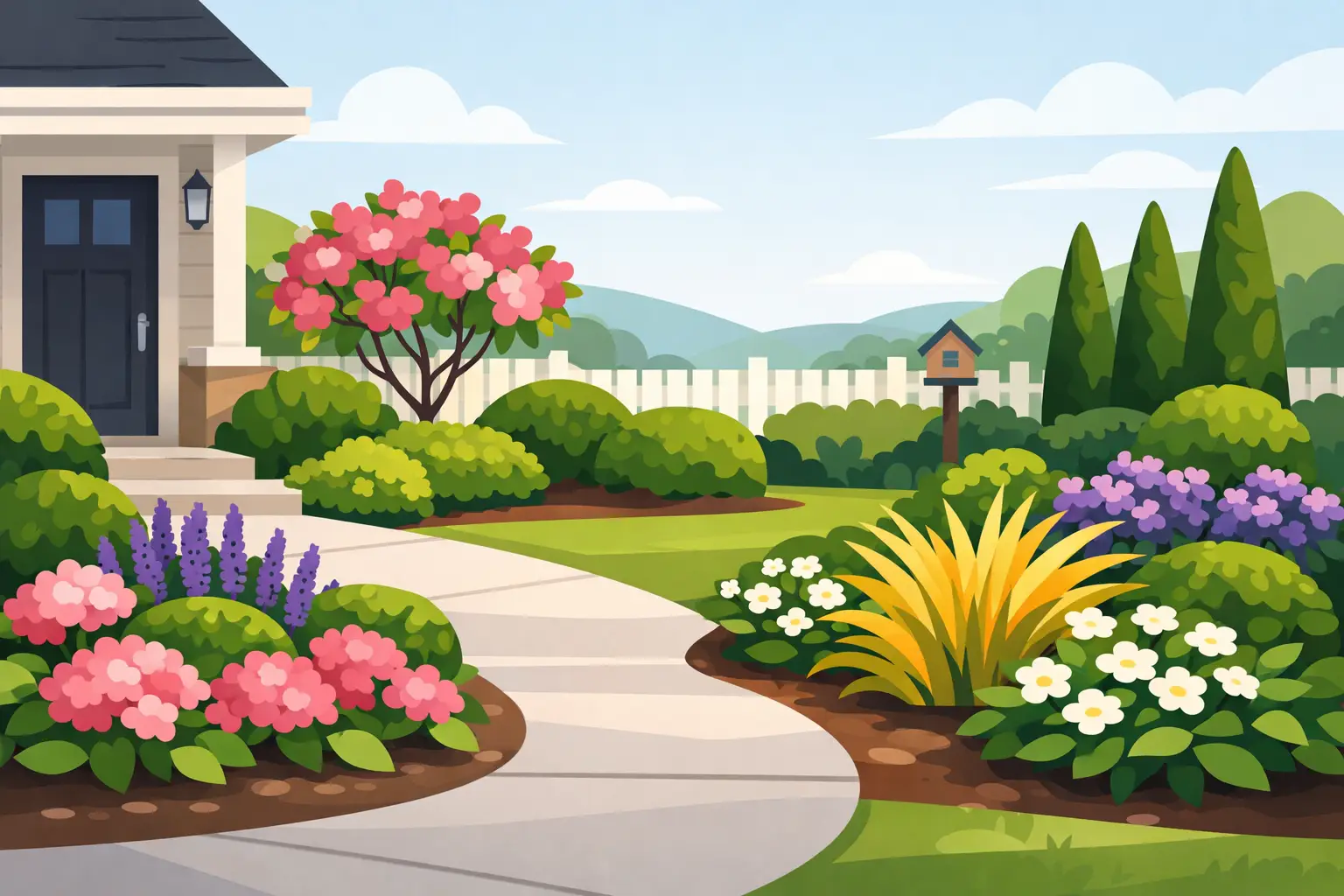
The front yard sets expectations before anyone reaches the door. When the planting is thoughtfully designed, a home feels more refined, more inviting, and more complete. That is why choosing the best plants for curb appeal is not just about adding color. It is about creating structure, balance, and season-long interest that makes the entire property look intentional.
The right planting plan does more than decorate the entrance. It frames architecture, softens hard edges, and gives the landscape a finished appearance that holds up beyond a single season. For homeowners investing in a polished exterior, the strongest results usually come from combining evergreen structure, flowering accents, and plantings that remain attractive with minimal upkeep.
What makes the best plants for curb appeal work
Curb appeal plants need to perform on several levels at once. They should look good from the street, complement the scale of the house, and stay tidy enough that the front elevation never feels overgrown or neglected. A plant may be beautiful in a garden bed out back, but if it sprawls over a walkway or drops constant debris near the entry, it may not belong in the front yard.
The best choices also respond to the realities of the site. Sun exposure, soil conditions, drainage, road salt, and local climate all shape what will thrive. In colder regions, for example, plants with strong winter structure often carry more value than short-lived summer bloomers. A front landscape should still feel composed in November, not only in June.
Start with structure, not flowers
When people think about curb appeal, they often start with blooms. In practice, structure matters more. Foundation plantings, ornamental trees, and evergreen anchors create the visual framework that makes the home look established and balanced.
Boxwood remains a classic for a reason. It offers clean form, dependable greenery, and strong architectural value near entrances and along foundation beds. It suits traditional homes particularly well, but it also works in more contemporary designs when massed in simple, restrained shapes.
Yew is another excellent structural plant, especially where a deeper green and slightly softer texture are preferred. It can be maintained formally or allowed to grow more naturally depending on the style of the property. The trade-off is that it requires enough room to mature properly. Too often, shrubs are selected based on nursery size rather than mature size, and that leads to crowded, high-maintenance beds later.
For a more modern look, upright junipers can create vertical emphasis near corners, entry features, or garage transitions. Used sparingly, they provide strong lines and year-round presence. Used too heavily, they can feel stiff. This is where design discipline matters.
The best plants for curb appeal around the entry
The area near the front walk and door deserves special attention because it draws the eye first. Plants here should feel welcoming, not fussy. They also need to stay in scale with the entrance so the architecture remains the focal point.
Hydrangeas are among the best plants for curb appeal in this zone because they deliver a high-end look without reading as overly formal. Panicle hydrangeas, in particular, offer reliable blooms, good cold tolerance, and a shape that works well in front yard compositions. Their flower heads hold visual interest late into the season, and many varieties transition beautifully in color as summer turns to fall.
If a softer, layered look is the goal, spirea can be an effective supporting plant. Newer varieties stay compact, offer strong foliage color, and require less intervention than older selections. They are not usually the star of the composition, but they do a lot of quiet work by keeping the planting full and finished.
For homeowners who want a more elevated, tailored appearance, ornamental alliums and salvia can be used as accents near entry beds. They add rhythm and seasonal color without making the space feel cluttered. The key is restraint. A premium landscape rarely relies on too many different plant types in a small area.
Small trees that elevate the entire front yard
A well-placed ornamental tree can do more for curb appeal than an entire bed of short-lived annuals. It gives the landscape height, creates a focal point, and connects the home to the larger site.
Japanese maple is one of the most effective choices where the setting and exposure are right. Its branching habit, fine texture, and refined silhouette bring immediate sophistication. It tends to work best as a feature rather than part of a crowded planting scheme. Placement matters because this is a tree people notice.
Serviceberry is another standout, especially for homeowners who want multi-season performance. It offers spring flowers, attractive foliage, and strong fall color, with a form that feels natural yet composed. It is an excellent fit for landscapes that aim to balance polished design with a softer, more organic character.
For homes that need stronger visual framing, columnar trees such as certain hornbeam or maple varieties can help define the front yard without taking up excessive width. This is especially useful on narrower lots where horizontal space is limited but vertical presence is needed.
Perennials that add color without looking temporary
Seasonal color has a place in front yard design, but permanent planting should do the heavy lifting. Perennials are most successful when they support the larger composition rather than compete with it.
Coneflower adds dependable summer color and pairs well with both traditional and contemporary homes. Black-eyed Susan brings a brighter, more cheerful look, though it can read more casual depending on the setting. Catmint is a strong choice when softness and long bloom time are priorities. It works especially well edging walkways or softening stone features.
Daylilies are often used because they are durable and forgiving, but they are not always the best fit for a premium front landscape. Some varieties can appear coarse or dated if not carefully selected. The same is true of hostas. They are excellent in shade, but in front-yard settings they should be balanced with plants that offer stronger year-round structure.
Evergreens that keep curb appeal alive in winter
In regions with long winters, curb appeal cannot depend only on summer performance. Evergreens keep the front yard from looking bare and give the property visual weight when everything else goes dormant.
Dwarf spruce varieties are particularly valuable for this reason. They provide strong form and texture without overwhelming foundation beds. Globe arborvitae can also work well in more formal or symmetrical designs, especially when repeated with intention.
The caution with evergreens is crowding. Many front landscapes lose their crisp look because too many conifers are packed into too little space. A cleaner design with fewer, better-placed specimens usually looks more expensive and stays easier to maintain.
Match the plants to the architecture
The best planting plan always feels connected to the house. A stately brick home may benefit from more formal evergreen structure, restrained hydrangea massing, and a balanced entry composition. A modern home often looks better with strong shapes, limited plant variety, and a tighter palette focused on texture and line.
Cottage-style planting can be beautiful, but it depends on the architecture and the owner’s tolerance for maintenance. Loose, romantic planting around a sharply contemporary facade can feel disconnected. Likewise, highly clipped shrubs in front of a relaxed farmhouse-style home can seem overly rigid. Good curb appeal comes from harmony, not simply from using popular plants.
Why professional planning changes the result
Most front-yard planting problems come down to one issue: individual plants are chosen well enough, but the composition is not. The bed may have color, but no structure. It may look full in year one, then crowded by year three. Or it may rely too heavily on bloom time and feel flat for most of the year.
A professionally designed landscape solves for the whole picture. It considers sight lines from the street, proportions relative to the house, seasonal interest, maintenance demands, and long-term growth. That is where craftsmanship matters. The planting is not treated as decoration added at the end. It becomes part of a complete exterior environment.
For homeowners who want a front yard that feels custom rather than pieced together, that level of planning makes a visible difference. Firms such as Redleaf Landscape Inc approach curb appeal as part of a larger design vision, where plant selection supports both beauty and function across the entire property.
The best front-yard landscapes rarely rely on a single standout plant. They succeed because every choice has a purpose, from the evergreen that holds the composition in winter to the flowering shrub that softens the entry in summer. If your goal is lasting curb appeal, choose plants that do more than bloom. Choose plants that make your home look thoughtfully finished, season after season.