


28 Sep What a Landscape Architect Adds to Your Property
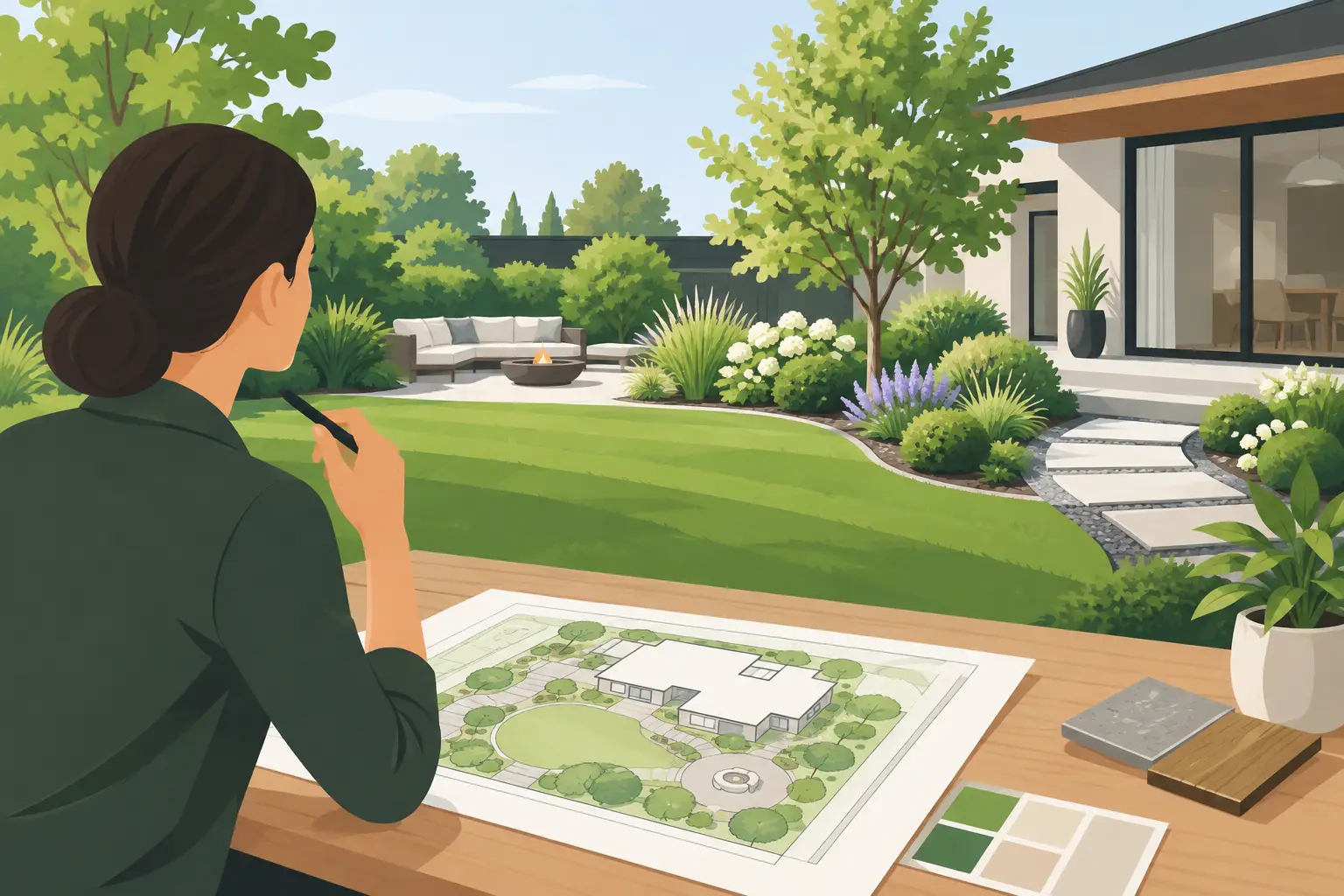
A beautiful outdoor space rarely happens by adding a few plants and a patio at the end of a project. It begins with a clear vision for how the property should look, feel, drain, function, and mature over time. A landscape architect brings that level of intentional thinking to the land itself, helping turn an ordinary yard, entry, or commercial exterior into a space that feels connected to the architecture around it.
For homeowners, that can mean a backyard built for relaxed family evenings, elegant entertaining, and easy maintenance. For commercial properties, it can mean an exterior that creates a strong first impression while standing up to daily use and seasonal conditions. The difference is not simply appearance. It is the thoughtful coordination of every surface, planting area, elevation, and practical detail.
A Landscape Architect Starts With the Whole Property
The strongest outdoor spaces are designed as part of the property, not as a collection of separate features. A new pool, stone terrace, front walk, retaining wall, or planting bed should relate to the home’s style, the lot’s proportions, and the way people move through the space.
That broader perspective is where professional planning matters. Before materials are selected, the design process considers site access, sunlight, existing grades, drainage patterns, privacy, views, circulation, and intended use. A narrow side yard may need to function as a discreet passage and service route. A rear yard may need distinct areas for dining, lounging, cooking, play, and planting without feeling crowded. A front entrance may need to improve curb appeal while making guests feel naturally guided to the door.
The goal is not to fill every available square foot. It is to give each part of the landscape a purpose and create a sense of order that still feels natural.
Design Decisions That Prevent Expensive Changes Later
Many of the most costly landscape issues begin with decisions made too late. A patio may be installed before drainage has been properly addressed. Trees may be planted where they will eventually block sightlines or interfere with structures. Lighting may be treated as an afterthought, leaving pathways dark and outdoor rooms underused after sunset.
Careful design resolves these relationships before installation begins. It establishes the right elevations for hard surfaces, determines where water will go during heavy rain, and plans for elements such as irrigation sleeves, electrical runs, outdoor kitchens, and future additions. This does not mean every project requires an elaborate plan. It means the complexity of the plan should match the complexity and investment of the property.
A small front-yard refresh may need a focused planting and entry strategy. A full backyard transformation with grade changes, structures, water management, and multiple living areas benefits from a more detailed approach. In both cases, the value comes from making decisions in the right order.
Function Should Shape Every Outdoor Living Space
Premium landscaping is not defined only by premium materials. It is defined by how the space performs on an average Tuesday evening, during a weekend gathering, and through years of changing seasons.
Consider a patio. Its size should reflect how it will be used, not just the open area available. A dining space needs enough room for chairs to move comfortably. A lounge area needs circulation around furniture. An outdoor kitchen needs sensible access to the home and enough clearance for cooking and conversation. When these details are overlooked, even an attractive space can feel awkward or undersized.
The same principle applies to walkways, stairs, and entrances. A path should lead people where they naturally want to go. Steps should feel comfortable underfoot and visually connected to the surrounding hardscape. Gates, storage areas, and service access should work without interrupting the experience of the main living areas.
This is especially valuable for busy households. A well-planned landscape reduces friction. It provides a place for children to play within view of adults, a quiet corner for morning coffee, and a patio that is ready for company without a lengthy setup. The landscape becomes an extension of the home rather than a feature viewed only from inside.
Materials and Plantings Need a Long-Term Point of View
A refined landscape gains character as it matures. That requires choosing materials and plantings for more than their appearance on installation day.
Natural stone, porcelain, concrete, wood, and architectural metals all offer different benefits. The right choice depends on the home’s design, the intended use of the area, exposure to weather, maintenance expectations, and budget. Natural stone can provide depth and permanence, while porcelain may offer a clean, contemporary finish with predictable performance. There is no universal best material. The best material is the one that suits the property and is installed correctly.
Planting design deserves the same discipline. A successful palette balances structure, seasonal interest, texture, scale, and ongoing care. Evergreens can create winter presence and privacy. Perennials and ornamental grasses can bring movement and color. Trees can provide shade, frame views, and make a new landscape feel established over time.
Plant selection should also reflect site conditions. Soil, sun exposure, wind, moisture, and available root space all affect long-term health. A planting plan that ignores those conditions may look impressive at first but demand constant replacement later. Sustainable landscaping is often less about a particular style and more about selecting durable materials, using water wisely, managing runoff responsibly, and designing plants to thrive where they are placed.
When You Need a Landscape Architect vs. a Design-Build Team
The term landscape architect has a specific professional meaning and may be regulated depending on the jurisdiction. Landscape architects are particularly valuable on projects involving complex grading, public spaces, site planning, environmental constraints, major drainage considerations, or permitting requirements that call for specialized credentials.
For many residential and commercial outdoor projects, an experienced landscape design-and-build firm can also provide the integrated planning and execution needed to achieve a cohesive result. The key is understanding the scope of work and selecting a team with the right expertise, process, and accountability for it.
Ask practical questions early. Who develops the design? Who coordinates grading and drainage? Who is responsible for installation quality? How are changes handled once work begins? What details are documented before materials are ordered? Clear answers reveal whether a contractor is prepared to carry the project from initial concept to finished landscape.
A single accountable team can be especially helpful when a project includes interdependent work such as stonework, planting, lighting, carpentry, and water management. It reduces the risk that one trade’s decisions compromise another’s work. It also helps preserve the original design intent through construction, where details such as joint alignment, edge treatment, plant spacing, and final grading make a visible difference.
The Value Is in the Details You Notice Later
Some of the best work in a landscape is easy to miss at first. Water moves away from the home instead of collecting near the foundation. A pathway remains stable through freeze-thaw cycles. The transition between lawn, planting, and stone feels clean. Lighting adds warmth without glare. Plants have space to grow rather than being forced into an overcrowded bed.
These details are the result of craftsmanship, not decoration. They protect the investment while making the finished space feel composed and effortless. They also affect how a property is perceived. A well-executed front landscape creates confidence before anyone enters the home or business. A finished backyard gives owners more reasons to spend time outside and more pride in the place they call their own.
Since 1986, Redleaf Landscape has approached outdoor projects with this balance of natural beauty, function, and quality in craft. The objective is not to impose a signature look on every property. It is to create a landscape that feels right for the people who use it and the architecture it surrounds.
A worthwhile landscape conversation starts with how you want to live outdoors, not with a product list. Bring forward the moments you want the property to support: quiet mornings, family dinners, welcoming arrivals, client-facing presentation, or a more private retreat. From there, the right design and installation decisions can give those moments a lasting place to happen.