


20 Jun What Adds Most Backyard Value?
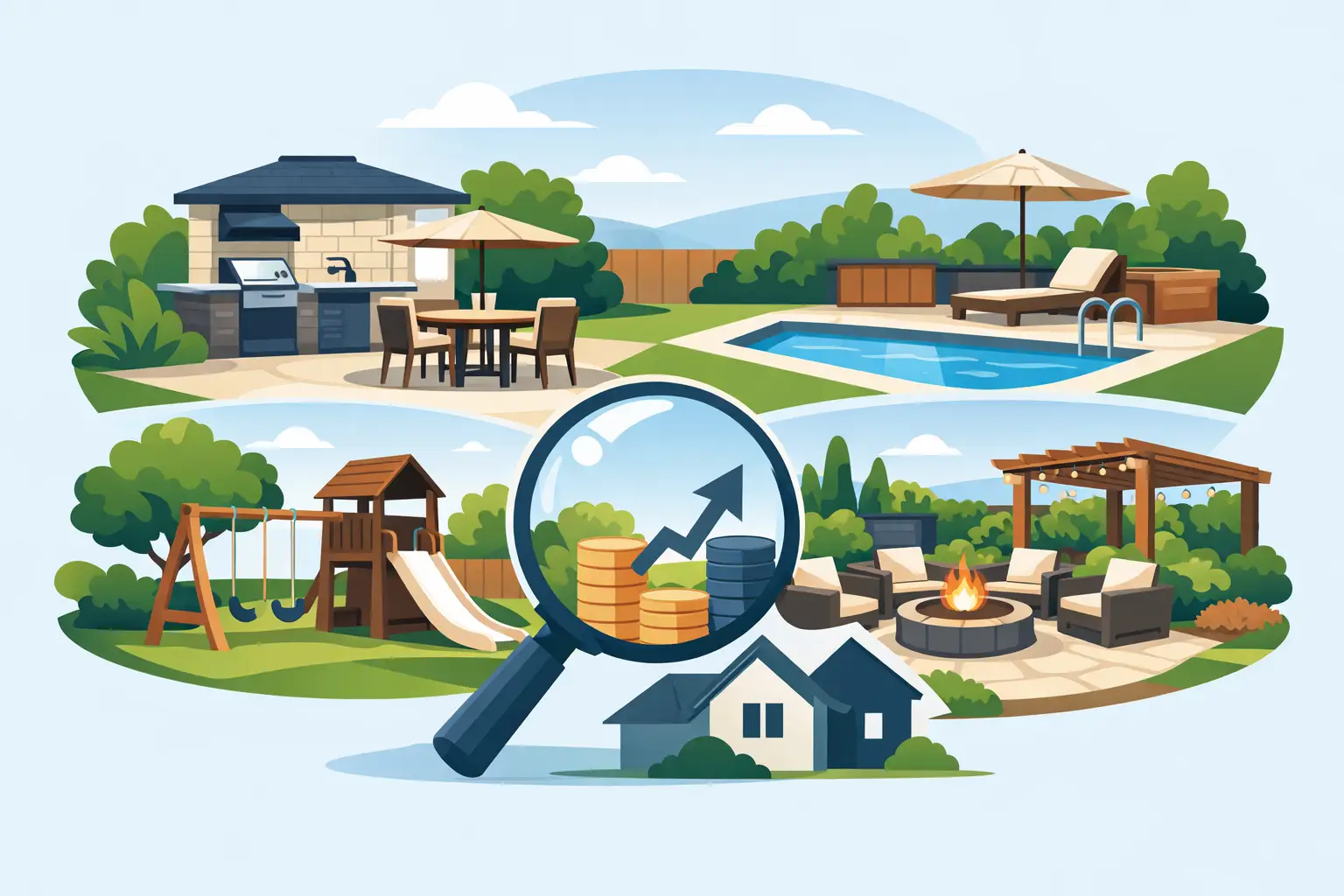
Buyers can tell when a backyard was treated like leftover space. They can also tell when it was designed as a true extension of the home. If you are asking what adds most backyard value, the answer is rarely one flashy feature. Value comes from a backyard that feels finished, functions well, and holds up over time.
That distinction matters. A yard can be expensive without being valuable. Oversized features, trendy add-ons, or decorative elements with no clear purpose may impress for a moment, but they do not always improve day-to-day use or resale appeal. The highest-value backyards tend to balance structure, comfort, drainage, lighting, and planting in a way that feels intentional.
What adds most backyard value in real terms
The best return usually comes from improvements that make the yard more usable for more of the year. In most homes, that means creating outdoor living space, improving circulation, solving practical problems, and tying the landscape to the architecture of the house.
A well-built patio often leads the list. It gives the yard a defined purpose and creates instant livable square footage outdoors. Compared with features that are highly personal or maintenance-heavy, a patio appeals to a broad range of homeowners because it supports dining, relaxing, entertaining, and family use without asking much in return.
Just as important is the quality of installation. A patio that settles, drains poorly, or looks disconnected from the home can hurt the overall impression. A patio that is proportioned correctly, built with durable materials, and integrated into the landscape reads as permanent value.
Outdoor living space delivers the strongest impact
If there is one category that consistently performs well, it is outdoor living. That includes patios, seating areas, outdoor kitchens, covered spaces, and fire features – but only when they match the property and the neighborhood.
The reason is simple. People do not just buy square footage inside the home. They buy the lifestyle a property supports. A backyard that invites conversation, family dinners, and quiet evening use feels like a real upgrade. For busy homeowners, that kind of usability matters as much as visual appeal.
Still, there is a difference between useful and overbuilt. A modest, elegant entertaining space often adds more practical value than a sprawling setup packed with specialty features. If the backyard is small, preserving openness can be smarter than filling every corner.
The features that tend to add the most value
1. A professionally designed patio or terrace
A patio is often the backbone of a valuable backyard. It creates structure, defines how the space is used, and gives the entire landscape a finished look. Natural stone, high-quality pavers, and clean layout lines generally age better than bargain materials or improvised shapes.
Size matters here. Too small, and the space feels cramped. Too large, and it can overwhelm the yard. The most effective patios are sized for real furniture and movement, with enough room to host without making the yard feel hardscaped from edge to edge.
2. Strong drainage and grading
Drainage is not the glamorous answer to what adds most backyard value, but it may be one of the most important. Standing water, soggy lawn areas, erosion, and runoff issues can quietly undermine the entire property.
Buyers may not notice a properly engineered drainage plan at first glance, but they absolutely notice its absence. A yard that stays dry, stable, and usable after heavy rain protects both the landscape and the home. From a value perspective, solving water issues is often more important than adding another decorative feature.
3. Lighting that extends use and improves atmosphere
Landscape lighting does two jobs at once. It makes the property safer and it makes it feel more complete. Path lights, step lights, subtle uplighting, and patio lighting can transform how the backyard reads at night.
This is one of the clearest examples of craftsmanship showing up in the finished result. Thoughtful lighting feels understated. Poor lighting feels harsh, uneven, or unnecessary. The goal is not to flood the yard with brightness. It is to create warmth, visibility, and a sense of polish.
4. Thoughtful planting and privacy
Planting adds value when it gives the yard shape, softness, seasonal interest, and privacy. Mature trees, layered planting beds, and evergreen screening often do more for long-term appeal than annual color alone.
Privacy is especially valuable in neighborhoods where homes are close together. A backyard that feels sheltered and comfortable is easier to enjoy. That does not always mean building a tall fence and calling it done. Often, the strongest result comes from combining hardscape with well-placed trees, shrubs, and planting beds that make the space feel settled.
5. Built-in features that fit the home
Fire pits, seat walls, pergolas, covered patios, and outdoor kitchens can all add value when they are well executed and aligned with how the homeowner actually lives. These features are most effective when they feel integrated rather than added on.
There is a trade-off, though. The more specialized the feature, the more important it is to get the scale and finish right. A compact built-in grill area may make sense for a family that entertains often. A large outdoor kitchen with little prep space around it or no connection to the patio may not.
What buyers notice right away
Most people experience a backyard emotionally before they evaluate it practically. They notice whether the space feels calm, cohesive, and easy to use. They notice whether it looks expensive in the right way – not because it is packed with features, but because every element seems considered.
That is why design cohesion matters so much. Materials should relate to the home. Planting should soften transitions. Pathways should lead somewhere logical. Grade changes should feel intentional. Even a simple backyard can carry strong value when it has a clear plan behind it.
This is also where piecemeal upgrades often fall short. A nice fire pit placed in a yard with drainage issues, patchy lawn, and no defined seating area does not create the same impression as a fully composed landscape. Value grows when the parts support one another.
What adds less value than homeowners expect
Some backyard upgrades are enjoyable but do not always deliver strong resale impact. Pools are the most common example. In the right market and on the right property, a pool can be a major asset. In other cases, it narrows the buyer pool because of maintenance, safety concerns, and operating costs.
Highly customized features can fall into the same category. Sports courts, elaborate water features, or trend-driven design details may be perfect for one household and irrelevant to the next. That does not mean they are mistakes. It means they should be chosen for personal enjoyment first, not assumed resale value.
Low-cost cosmetic fixes also have limits. Fresh mulch, a few planters, and a pressure-washed patio can improve appearance, but they do not replace sound construction or a coherent design. Presentation helps, but it works best when the bones of the landscape are strong.
How to prioritize your backyard investment
If the goal is lasting value, start with the fundamentals. Solve drainage and grading first. Then create usable hardscape. After that, build comfort and atmosphere through planting, lighting, and select features.
This order matters because the best landscapes are built from the ground up. There is little sense in installing premium finishes on top of unresolved site issues. Likewise, there is no reason to crowd a yard with features before the main living areas are established.
For many homeowners, the smartest investment is not the biggest project. It is the most cohesive one. A well-designed patio, proper drainage, integrated lighting, and tailored planting can outperform a much more expensive backyard that lacks flow or purpose.
For properties where outdoor entertaining is a priority, adding shade structure or a fire feature may be the next logical step. For families, open lawn space and durable surfaces may matter more. For homeowners focused on privacy, screening and layered planting may carry outsized value. The right answer depends on the property, the architecture, and how the space will actually be used.
At its best, a valuable backyard does more than look polished in listing photos. It supports everyday living, reflects the home with intention, and feels built to last. That is where design, craftsmanship, and function come together – and that is usually where the strongest value is found.