


22 Jul Custom Landscape Design for New Builds That Lasts
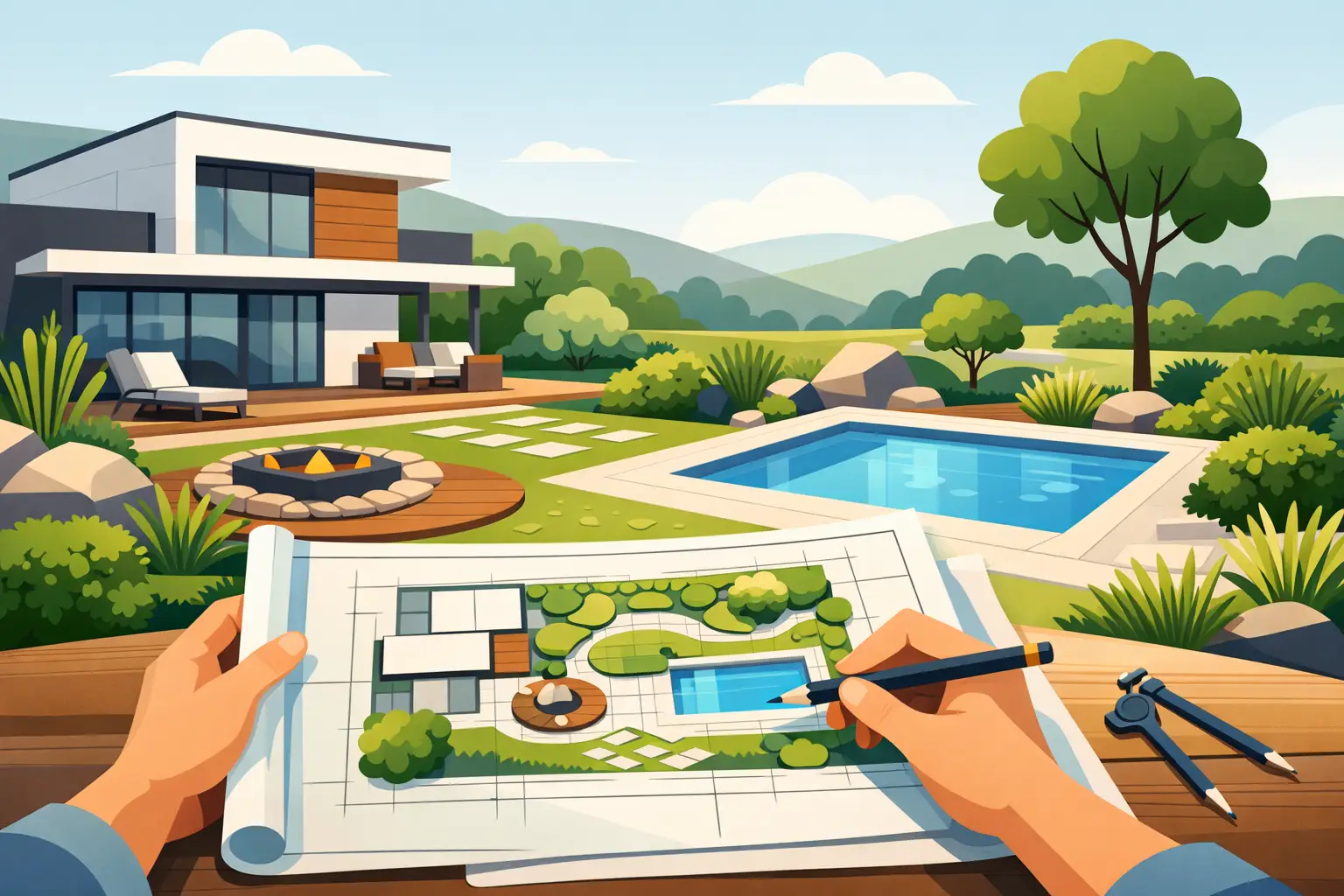
A new home can look finished from the street while the property around it still feels unresolved. Bare sod, builder-grade steps, uneven grading, and undersized planting leave a gap between the home you chose and the life you want to live there. Custom landscape design for new builds closes that gap by treating the exterior as part of the home’s architecture, not an afterthought.
For homeowners, this is the moment to make the most informed decisions. Access to the yard is still open, major features can be planned around the home rather than squeezed into leftover space, and essential work such as drainage can be addressed before costly additions are installed. The result is an outdoor environment built for everyday use, entertaining, curb appeal, and long-term value.
Start With the Site, Not the Wish List
A custom landscape should begin with the realities of the property. On a new build, lot grading, soil quality, drainage patterns, sun exposure, privacy, and municipal requirements all shape what can be built and where it belongs. A beautiful patio in the wrong location can be too hot to use in summer, exposed to neighboring windows, or vulnerable to water runoff.
The home itself also provides direction. Its exterior materials, roofline, window placement, and architectural style should influence the landscape palette. A contemporary home may call for clean paving lines, restrained planting masses, and integrated lighting. A more traditional property may suit layered gardens, natural stone, and softer transitions between the house and yard. Neither approach is inherently better. The right choice is the one that makes the home and landscape feel intentionally connected.
Grading and drainage deserve early attention
Water management is one of the least glamorous parts of a new-build landscape, but it is among the most critical. Finished grades should move water away from the foundation while supporting usable outdoor areas. Downspouts, swales, catch basins, and permeable surfaces may all have a role, depending on the site.
Skipping this planning stage can lead to pooling water, settlement around hardscapes, stressed plant material, or a damp basement. It is far more efficient to resolve drainage before patios, walkways, gardens, and lawns are complete. Quality work is often most visible years later, when the landscape continues to perform through changing seasons.
Design Outdoor Rooms Around How You Live
The best landscapes do more than fill a yard. They create defined places for the moments that matter: a quiet morning coffee, a family dinner outdoors, a weekend gathering, or a calm view from inside the home.
Begin by considering how the household will actually use the property. Families may prioritize open lawn space and durable surfaces near the house. Frequent hosts may need a generous dining area, an outdoor kitchen, layered lighting, and circulation that does not force guests through a single narrow path. Homeowners seeking a private retreat may value a covered lounge, a fire feature, screening, and planting that softens sound and sightlines.
A thoughtful layout gives each use its own purpose while allowing the spaces to work together. The dining area should be convenient to the kitchen. A fire feature needs appropriate clearance and seating. Service access for waste bins, equipment, and maintenance should be considered without becoming a visual distraction. These practical details are what make an outdoor living environment feel effortless once it is built.
Choose Materials for Performance and Character
Hardscape materials establish the framework of the landscape. They influence appearance, maintenance, safety, and how well the project ages. Pavers, natural stone, porcelain, concrete, wood, and composite materials each offer different strengths.
Natural stone provides depth and individuality, with variations that give patios, steps, and walls a more organic character. Pavers offer design flexibility and can be well suited to driveways, walkways, and patios when installed on a properly prepared base. Porcelain can create a refined contemporary finish with low porosity, though it requires experienced installation and careful detailing. Wood brings warmth to decks and structures, while composite products can reduce ongoing maintenance for homeowners who prefer a more consistent finish.
The decision should not be based on appearance alone. Freeze-thaw conditions, drainage, slip resistance, sun exposure, and the relationship to the home all matter. A premium material installed without proper base preparation will not deliver premium performance. Craftsmanship in excavation, compaction, edge restraint, jointing, and finish work is what protects the investment beneath the surface.
Build in phases when it makes sense
Not every new homeowner needs to complete every feature at once. A phased landscape plan can be a practical approach when budget, timing, or future lifestyle changes are factors. The key is to design the full property first, then prioritize the work in a sequence that avoids redoing completed areas.
For example, grading, drainage, primary patios, walkways, and structural planting often belong in the first phase. A pool, cabana, outdoor kitchen, or more elaborate garden may follow later. Planning utilities, conduits, access routes, and final elevations from the outset keeps those future additions possible without unnecessary demolition.
Plant for Privacy, Structure, and Seasonal Interest
New-build lots often lack the mature trees and established boundaries that give older neighborhoods their sense of enclosure. Planting is how a property gains scale, softness, and privacy over time, but it should be selected for more than immediate visual impact.
Evergreens can provide year-round screening and a strong winter presence. Deciduous trees add shade, seasonal color, and canopy, while ornamental grasses, perennials, and shrubs bring texture closer to the ground. A balanced planting plan layers these elements so the property has interest in every season rather than depending on a short bloom period.
Plant selection should also reflect the conditions of the site. Soil, drainage, sun, wind, and available maintenance all affect success. Large-caliper trees and mature screening can offer immediate impact, but they also require a larger budget and attentive establishment care. Younger material is more economical and can adapt well over time, though it asks for patience. The right balance depends on the desired timeline and how the property will be used in the first few years.
Make Lighting and Utilities Part of the Design
Outdoor lighting is often added late, when the easiest options are limited. Planning it early produces a much more polished result. Path lighting improves safety, step lights define elevation changes, and carefully placed fixtures can highlight trees, masonry, architectural details, and gathering areas without creating glare.
Utilities deserve the same foresight. Gas lines for a fire feature or barbecue, electrical service for an outdoor kitchen, irrigation sleeves, drainage connections, and future low-voltage lighting should be coordinated before hardscape is installed. These decisions are not always visible, but they determine whether the finished space remains flexible and functional.
A good lighting plan uses restraint. The goal is not to illuminate every corner of the yard. It is to extend use after sunset, create a sense of warmth, and guide movement through the property with intention.
Work With One Accountable Design-and-Build Team
A new-build landscape requires coordination across design, excavation, masonry, carpentry, planting, drainage, and finishing details. When these elements are managed separately, the original vision can become diluted and responsibility can become unclear if site conditions change.
A full-service design-and-build partner brings accountability from concept through installation. The design can be shaped around realistic construction methods, materials can be selected with lead times and site conditions in mind, and the installation team can execute the details that give the project its finished character. For busy homeowners, that continuity reduces coordination while protecting the quality of the final result.
Redleaf Landscape Inc has served the GTA since 1986 with a focus on custom outdoor environments where craftsmanship, function, and natural beauty work together. The goal is not simply to landscape a new property. It is to create an exterior that feels as considered as the home itself.
Your yard will change as trees grow, routines evolve, and seasons pass. Plan it well now, and it can become the part of your new home that draws you outside year after year.