


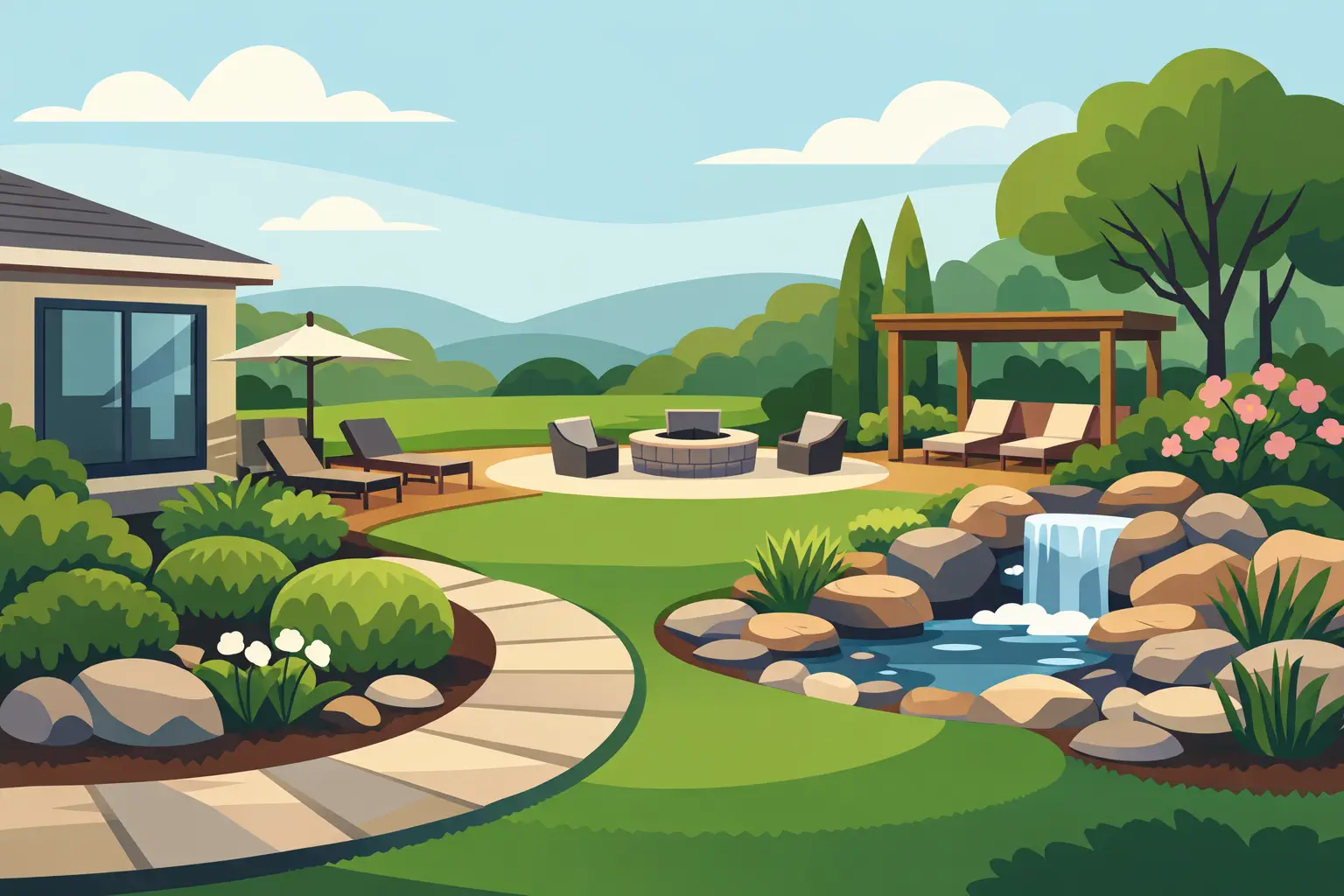
09 Mar What Great Landscape Installation Looks Like
A beautiful outdoor space rarely comes down to one feature. It is the way the stone meets the lawn, how the grading handles a heavy rain, where the lighting falls at dusk, and whether the finished space actually supports the way you live. That is where professional landscape installation services earn their value.
For homeowners and property decision-makers, the real question is not whether to improve the exterior. It is whether the work will be installed with enough care and foresight to look right, function well, and hold up over time. A patio that shifts after one season or planting beds that struggle because drainage was ignored can turn a promising concept into an expensive correction.
The best outdoor projects are built on more than good taste. They are built on planning, technical execution, and craftsmanship that respects both the property and the people using it.
Why landscape installation services matter
Installation is where vision becomes permanent. Design may establish the layout, style, and material palette, but the installation phase determines whether those ideas perform in the real world. That means base preparation, grading, soil conditions, edge restraint, irrigation planning, planting methods, and the countless details that most people never see once the project is complete.
This is especially true for custom landscapes. A backyard built for entertaining needs more than a hard surface and a few shrubs. It needs circulation, comfort, proportion, and durability. A front entrance upgrade should improve curb appeal, but it also has to feel appropriate to the architecture of the home and remain practical through changing seasons.
Professional landscape installation services bring those layers together. Instead of treating the property as a checklist of separate tasks, a skilled team treats it as one environment where every element affects the next.
What separates premium landscape installation services from basic contracting
Not all installers work at the same level. Some can place pavers, plant trees, or build retaining walls. Fewer can execute a full outdoor environment with design discipline, construction knowledge, and a clear standard of finish.
The difference usually shows up in the details. Premium work starts with site understanding. Existing grades, water flow, sun exposure, access, and soil conditions are assessed before material is ordered and crews arrive. That reduces surprises and helps prevent the kind of compromises that weaken the result.
Material selection also matters. Natural stone, concrete pavers, wood structures, lighting systems, drainage components, and planting stock each have different performance profiles. The right choice depends on the property, the intended use, and the expected level of maintenance. A family-focused backyard may need more durable surfaces and easier planting schemes. A front yard meant to make a strong architectural statement may call for cleaner lines and a more restrained palette.
There is also the matter of execution quality. You can see it in consistent joint spacing, proper cuts, clean transitions, stable steps, straight retaining lines, and planting layouts that feel intentional rather than crowded. These are not decorative extras. They are signs that the installation was done with discipline.
The role of function in outdoor living
The most successful landscapes do not simply look finished. They work well.
That may sound obvious, but many outdoor projects are still approached as surface-level upgrades. A patio is added without enough room for dining and circulation. A fire feature is placed where wind makes it uncomfortable. Planting beds are chosen for immediate color but not for long-term scale. The result can look appealing in photos while underperforming in daily use.
Function should shape every major installation decision. If a space is intended for entertaining, it needs enough usable square footage, clear access from the home, and lighting that extends the experience into the evening. If children or pets will use the yard, material choices and traffic patterns matter. If low maintenance is a priority, the planting and layout need to support that goal from the start.
This is one reason a full-service installation approach has such value. When design intent and construction execution stay connected, the final space is more likely to reflect how the client actually wants to live outdoors.
Landscape installation services and long-term value
A well-installed landscape improves more than appearance. It strengthens the daily experience of a property and can support long-term value in ways that purely cosmetic improvements often do not.
Curb appeal is part of that equation, especially at the front of the home or in commercial settings where first impressions matter. But long-term value also comes from durability, efficient water management, and a layout that ages gracefully. Trees and shrubs need room to mature. Hardscape surfaces need proper support beneath them. Drainage must be managed before it becomes a problem around foundations, walkways, or lawn areas.
There is a trade-off to consider here. Premium installation often requires a greater upfront investment than piecemeal work or lower-cost bids. But lower pricing can hide shortcuts in excavation depth, base materials, labor quality, or plant selection. Those shortcuts tend to reveal themselves later, often through settling, drainage issues, premature wear, or a landscape that never fully comes together.
For clients who want custom outdoor spaces that feel like a true extension of the property, value usually comes from getting the work right the first time.
What to expect from a professional installation process
A strong process creates confidence before construction begins. That matters for busy homeowners, business owners, and property managers who do not want to coordinate multiple trades or chase updates.
A professional project typically begins with consultation and site review. From there, the scope is clarified around goals, budget, style, and functional needs. In a design-and-build model, this creates continuity. The same team shaping the concept is also responsible for building it, which reduces handoff issues and keeps accountability clear.
Once construction starts, sequencing becomes critical. Site preparation comes first, because the invisible work below grade affects everything above it. Excavation, grading, drainage, and structural preparation must be done correctly before surface materials or planting go in. Rushing to visible finishes too early is one of the easiest ways to compromise an outdoor build.
Communication also matters. Clients should understand what is happening, what decisions need to be made, and how the schedule is progressing. On custom projects, adjustments sometimes become necessary due to site conditions or evolving preferences. The goal is not to avoid every change. It is to manage them professionally without losing the integrity of the design.
Choosing the right partner for landscape installation services
When evaluating installers, experience matters, but so does relevance. A contractor who mainly handles maintenance or small repair work may not be the right fit for a fully integrated outdoor transformation. Custom landscapes require a higher level of coordination and finish.
Look for a firm that can speak clearly about process, craftsmanship, material performance, and project management. Past work should show consistency in style, quality, and execution. You want evidence that the company can deliver complete environments, not just isolated features.
It is also worth paying attention to philosophy. The best partners do not push the same solution onto every property. They consider architecture, site conditions, lifestyle, and sustainability together. That is how outdoor spaces become both visually harmonious and practical to maintain.
For property owners who want one accountable team from concept to completion, a design-and-build firm offers a clear advantage. With Redleaf Landscape Inc, that approach has been refined through decades of serving clients who expect craftsmanship, attention to detail, and results that feel tailored rather than standardized.
Why craftsmanship still makes the difference
Landscape work is physical, technical, and highly visual. It demands judgment at every stage. Where exactly should a walkway line break? How should the elevation shift from driveway to front step? Which plant massing creates structure without overwhelming the facade? These decisions shape the finished space more than most people realize.
Craftsmanship is what keeps those decisions aligned. It is the discipline to prepare properly, install carefully, and finish cleanly. It is the refusal to treat grading, drainage, planting, lighting, and hardscape as disconnected tasks. And it is what allows a landscape to feel settled and intentional from the first day onward.
The right outdoor environment should not feel like an add-on. It should feel as though it belongs to the property, supports the way you live, and continues to reward that investment season after season.
If you are considering landscape installation services, look beyond the surface. The best result is not simply a nicer yard. It is a property that works better, looks more refined, and feels unmistakably your own.